Fitness training that builds capability
Build a body that can do things. Then go and do things with it.
Build a body that is strong, fit, useful and adaptable. Looking fit is fine. Arguably, being able to do things matters more.
Strong · Fit · Useful · Adaptable
What kind of fitness?
Built more like a Hilux than a hypercar.

If you remember the old Top Gear episodes where they tried everything they could to destroy a Toyota Hilux, you'll know the idea.
It wasn't the fastest thing on the road. It wasn't the most powerful, the lightest or the most sophisticated.
It was useful, adaptable and incredibly difficult to overwhelm.
That's closer to how I think about fitness.
I don't want to train you to be brilliant at one thing and lacking everywhere else.
I want you to be able to pick something heavy up, carry it, get down on the floor and back up, move quickly when you need to, work hard when it matters and still have something left when things get difficult.
You don't need to be exceptional at any one of those things. I think being pretty good at all of them is far more useful.
Why this exists
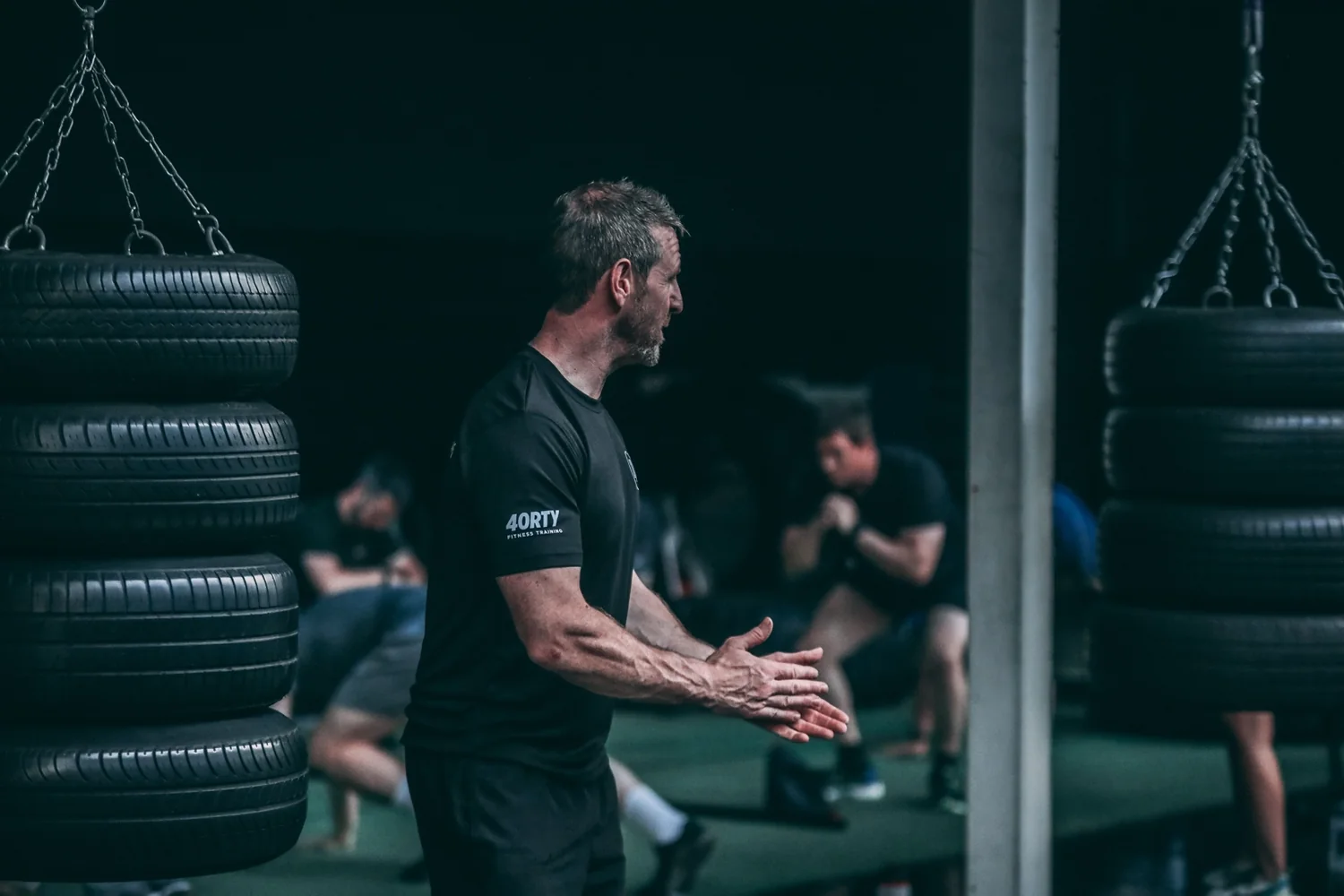
Training has always been about more than numbers for me.
I started helping people train in 2003 while working as a gym orderly in prison. I was there because I caused a car crash that killed my best friend. I still carry that, and I will always be sorry for what I did and for the damage it caused.
I don't tell that as a redemption story. Training didn't make any of it okay.
But looking back, it became a kind of first aid for my mental health before I had any idea that's what it was. It gave me structure, something difficult to work at and somewhere useful to put my energy while I was carrying a lot of grief and my head could very easily have gone in a different direction.
I couldn't change the fact that I was in prison or what had put me there. What I could choose was how I dealt with it. I trained, worked, learned, helped other people and kept giving myself things to work towards. I didn't understand the significance of that at the time. I do now.
That experience is a big part of why I believe difficult physical things can matter beyond fitness. Having something hard in front of you, working through it and finding out that you can cope with more than you thought can change how you see yourself.
Since then I’ve run residential fitness and weight-loss holidays, worked in community health, owned and run my own gym, and coached people one-to-one.
Different settings, same underlying belief: fitness should make you more capable, and doing difficult physical things can change what you believe you can handle.
Read the full story ↗Personal coaching
A programme on its own is not coaching.
A spreadsheet cannot notice that work has gone mad, your knee is grumbling or you have quietly stopped enjoying the thing. Coaching can.
A programme only works if you can keep doing it when real life gets in the way. Work gets busy, sleep goes off, something starts niggling, motivation drops or you have a week where hardly anything gets done.
That is when coaching matters. We look at what actually happened, change what needs changing and carry on. One bad week does not need a dramatic restart.
Community + Challenge Days
Fitness should lead somewhere.
Getting fitter in the gym is useful. But at some point, I think it's worth finding out what that fitness actually lets you do.
That's part of why the Not The Comfort Zone community is free. It's somewhere to ask questions, share what you're working on, get help and be around other people trying to become fitter and more capable.
It's also where Challenge Days live.
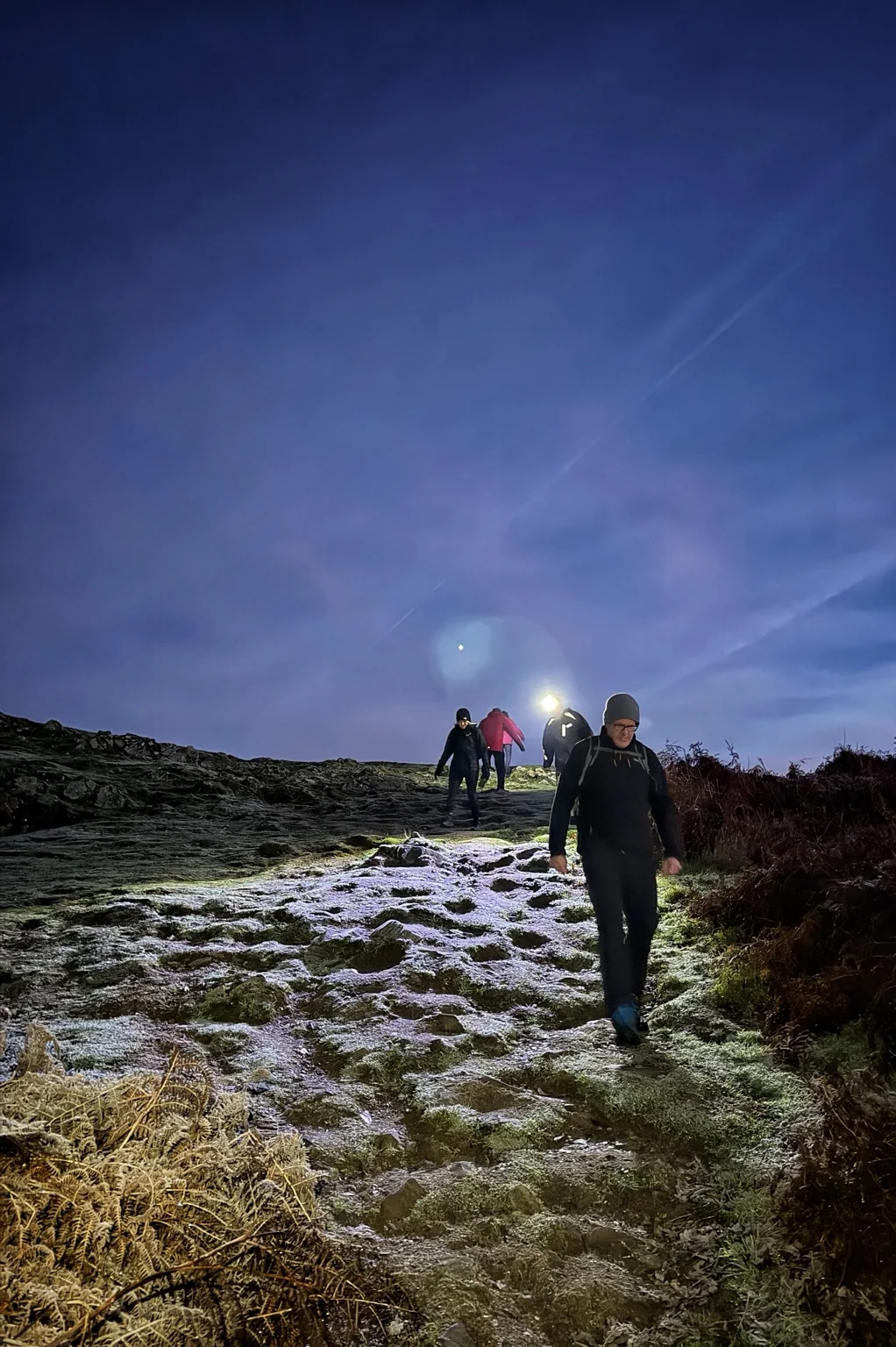
Do something you are not certain you can do.
It's not a race and I don't run punishment sessions. It should be difficult enough that finishing means something to you.
The challenge is relative to the person. It might be a first hilly walk, a loaded ruck, a hard mountain day or something much bigger.
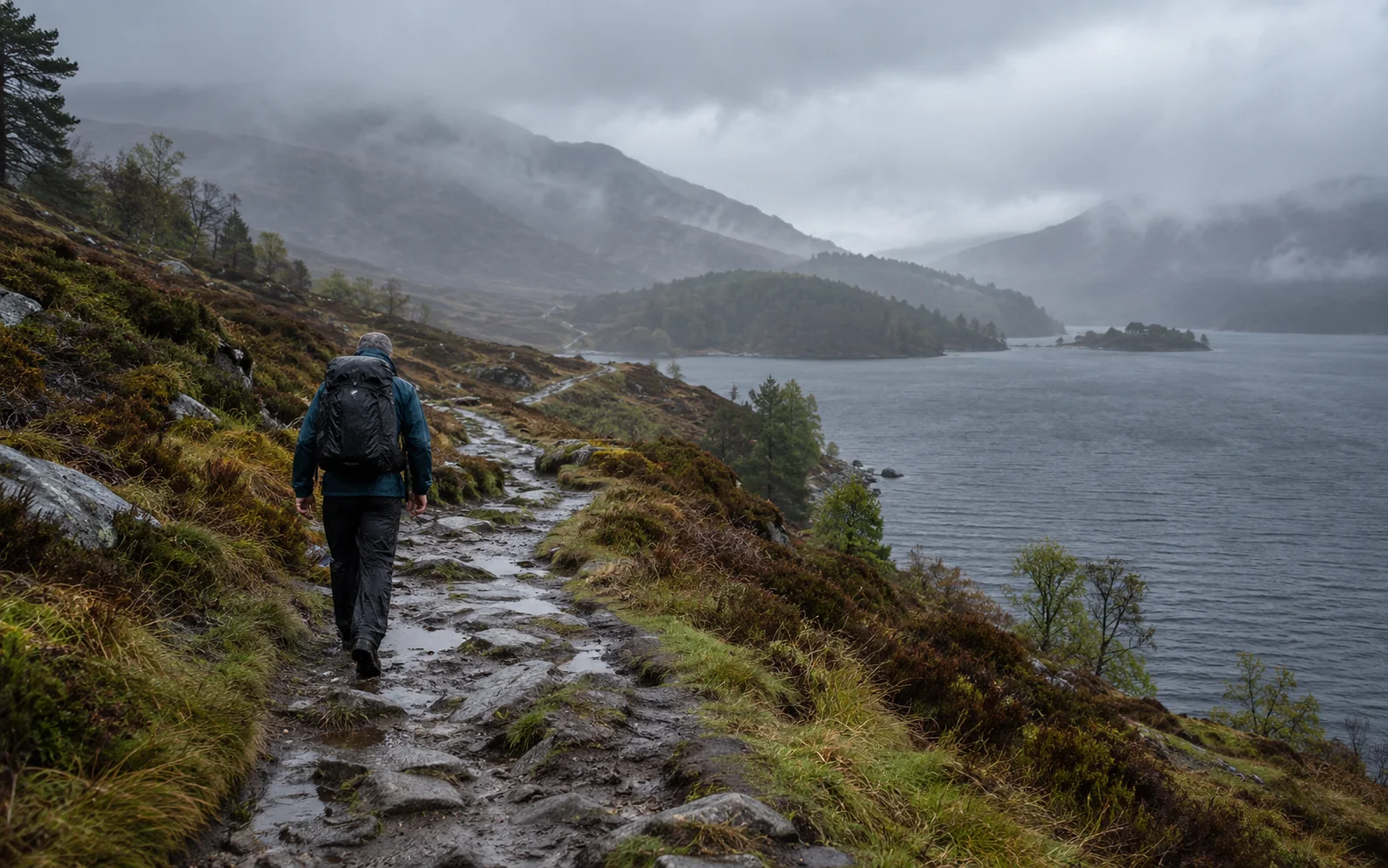
Project Resilience · 1 May 2027
The full Great Glen Way. One continuous effort.
More than twenty years after prison, I’m still using some of the same tools I found back then.
Training. Walking. Having something difficult in front of me that gives my head somewhere useful to go.
Project Resilience is partly about the walk. It’s also about mental health, grief, challenge, and why difficult physical things have mattered to me for a very long time.
Ways in
Start with what you need.
There is no grand system you have to buy into. Choose the route that matches what you actually need now.