
Organisations · charities · wellbeing · rehabilitation · criminal justice
Help people build confidence by doing difficult things.
A small-group programme built around circuit training, shared physical effort, outdoor challenge and a debrief afterwards.
The setting can change. The underlying idea does not: train regularly, build capability, have something difficult to work towards and find out what you are able to deal with.
Where the idea came from
I lived this before I knew what to call it.
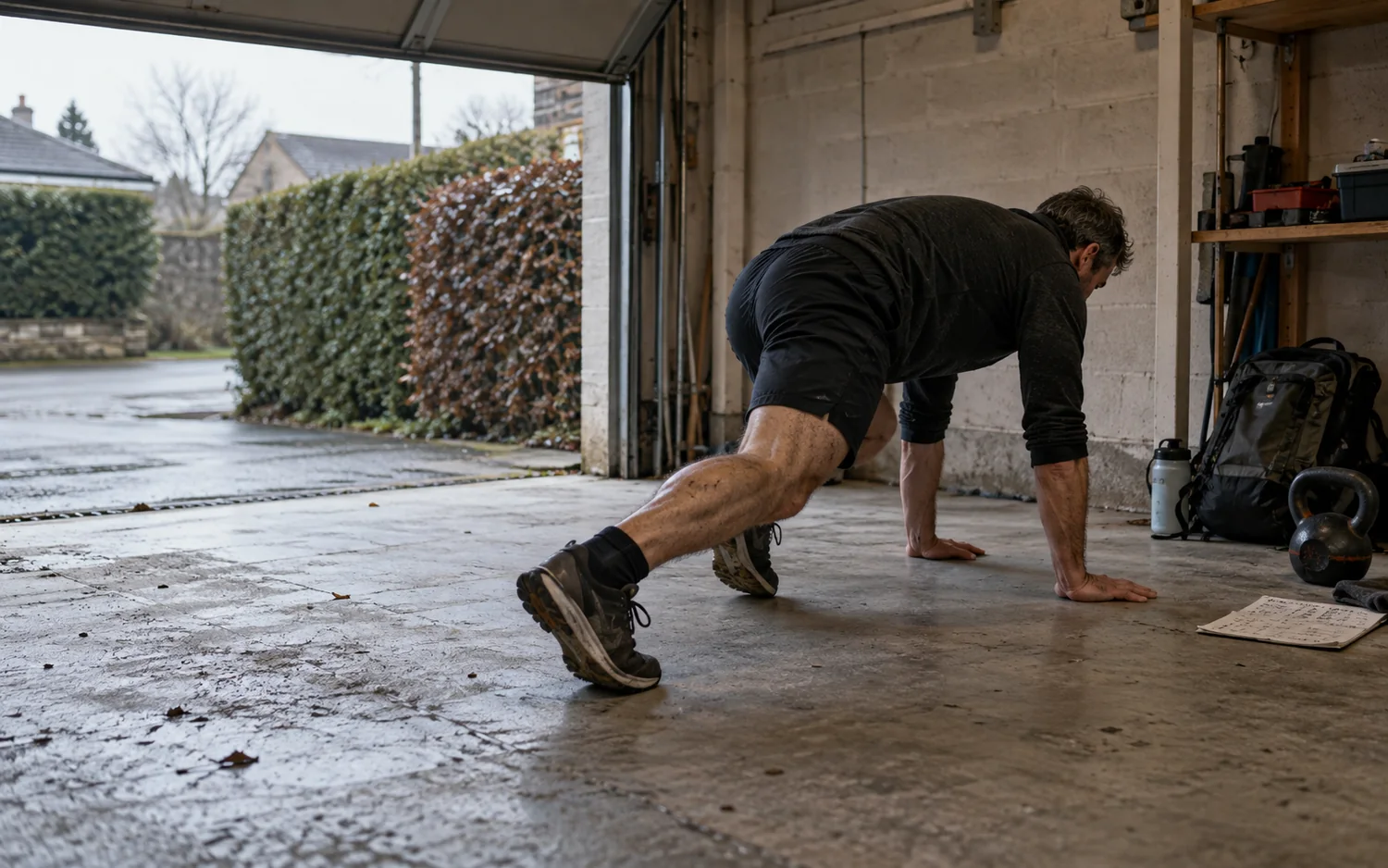
Training became one of the things that helped me get through prison and a very difficult period of my life. It gave me routine, something constructive to work at and somewhere useful to put my energy. Prison is a high-pressure environment, and for me that made it even more important to have somewhere constructive to channel thoughts and energy that could otherwise have gone in a very different direction.
Later, deliberately choosing difficult physical challenges added something else. I had to prepare, deal with uncertainty, keep going when things got uncomfortable and find out what I could actually handle.
I have seen versions of that with other people since: someone reaching their first mountain on one of the residential fitness and weight-loss holidays I ran at Corrour; somebody finishing a tough session they genuinely did not think they could do a few weeks earlier; or a Peak District day that tested the group mentally as much as physically. Experiences like that give people evidence that words alone cannot.
That is the idea behind this: use physical training and meaningful challenge to help people build fitness, self-belief, self-discipline, resilience and wider wellbeing.
How it works
Train. Get outside. Do something difficult. Debrief it. Keep going.
Two routes
Inside first, then outside. Or outside from the start.
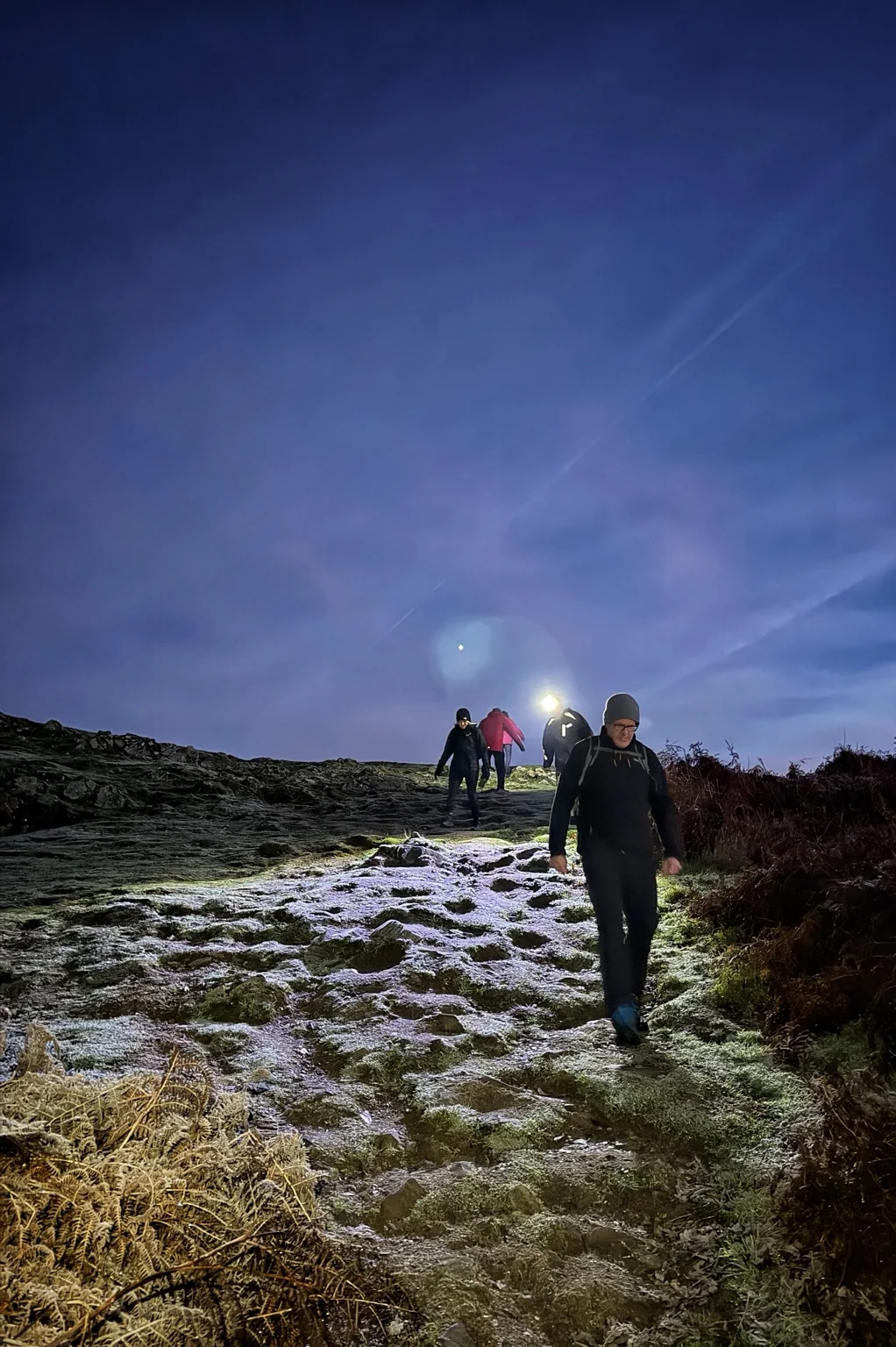
Custody to community: the work starts inside with bodyweight circuit training and whatever regular walking is available. On release, the outdoor phase begins: walking, hills, time on feet and preparation for the final challenge. The challenge is planned and agreed in advance, not invented as the programme goes along.
Community and wellbeing groups: circuits and outdoor work can run alongside each other from the start, building towards the same kind of meaningful physical challenge.
Who it could help
Criminal justice is one setting, not the whole idea.
I am particularly interested in work with men who have lost some confidence, routine, connection or direction.
That might mean somebody approaching release from prison, somebody struggling with their wellbeing, isolation or unemployment, or simply somebody who has had a difficult period and needs some momentum again.
The circumstances are different. The principle is the same: build capability, work towards something difficult, experience it together and come away with some real evidence about what you can handle.
What I am claiming
I am saying this can help. I am not saying it fixes everything.
Physical training improves fitness. I also believe regular hard physical work and a meaningful challenge can support wellbeing and help build self-efficacy, self-belief, self-discipline and resilience.
You turn up. You improve. You work alongside other people. You keep going when things become uncomfortable. Eventually you do something you were not certain you could do.
That does not make it therapy or a cure. It gives somebody real evidence of capability, and that can be a strong foundation for what comes next.